
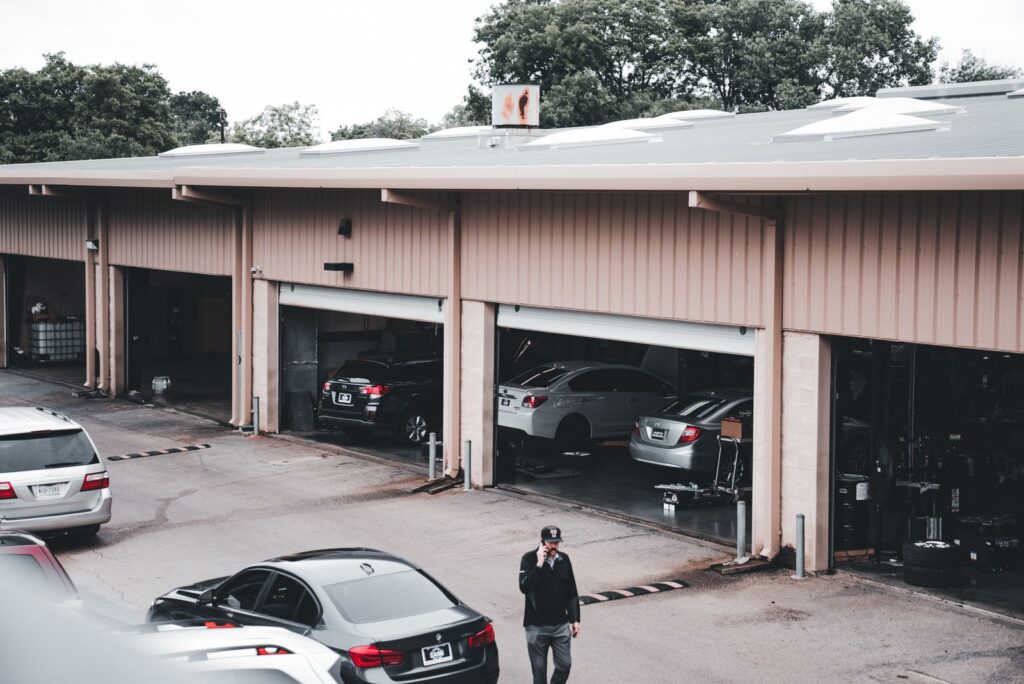
Local car garages handle the majority of servicing and repairs, and for most drivers they are the sensible default rather than the fallback. If you want a trustworthy independent near you, compare reviews, opening hours, quoted labour rates and warranty terms before you book. That single habit, checking properly before handing over the keys, is what separates a good experience from an expensive one.
Why local car garages are worth considering
The independent sector is not a niche. Many thousands of workshops operate across the country, and they carry out a significant share of routine servicing and repairs on UK vehicles. Main dealers dominate new car sales and warranty work, but once a car is a few years old, most owners vote with their wallets and go independent.
The appeal is straightforward. Labour rates at independents are typically lower than franchised dealer rates, often by a substantial margin depending on region and brand. Crucially, that saving does not normally come at the cost of quality. A good independent uses manufacturer-standard diagnostic equipment, often the same diagnostic platforms the dealer network uses, and fits parts to OEM specification or better. Many are staffed by technicians who trained at main dealers and left to set up on their own.
There is also the question of trust and continuity. A small workshop lives on repeat business and local reputation. It cannot afford to churn customers the way a large group might, because its entire pipeline comes from people within a few miles of the ramp.

What to look for in local garages
Accreditation is the fastest filter. Two schemes matter most:
- The Motor Ombudsman operates a Chartered Trading Standards Institute-approved code of practice for garage work. Member businesses commit to clear pricing, honest diagnosis and an independent dispute resolution route if something goes wrong.
- Trust My Garage is run by the Independent Garage Association and requires members to meet a code covering work quality, customer service and complaints handling.
Beyond badges, look for manufacturer approvals. A garage displaying approval for a specific brand has invested in training and tooling to that marque’s standard, which matters for anything involving software, timing belts or complex electronics.
Then check the practical details:
- Are technicians qualified to a recognised level, such as IMI accreditation or NVQ in vehicle maintenance and repair?
- Is the quote itemised, separating parts, labour and VAT, rather than a single round figure?
- Is a courtesy car or collection and delivery offered, and is it included or charged?
- What warranty comes with the work, and how many miles or months does it cover?
- Does the garage explain what it found before starting work, and will it send photos or a video of the fault?
Transparency is the tell. A garage that is vague about pricing before the job starts tends to be vague about everything else.

How to find and compare garages near you
The old approach, asking around and driving past to see what looks busy, still works. But it is slow, and it limits you to whatever happens to be on your commute. A directory with genuine location pages is faster and more systematic, letting you filter by town, service type and opening hours in one pass. Guides such as how to find a trustworthy local garage set out how to read those listings properly rather than just picking the nearest pin on the map.
When comparing local garages, work through the same checklist for each:
- Confirm the services offered. Servicing, MOT, diagnostics, tyres, air conditioning, welding and bodywork are not universal. A garage that cannot do wheel alignment will send you elsewhere anyway.
- Check opening hours against your routine. Saturday morning availability is worth more than a slightly cheaper rate if it saves you a day off work.
- Read reviews across more than one platform. Look for patterns rather than single complaints. Consistent praise for communication and honest pricing is a stronger signal than a five-star average built on ten reviews.
- Get three quotes for the same job, described the same way. Tell each garage the make, model, year, mileage and exactly what you want done. Vague briefs produce quotes you cannot compare.
- Ask what happens if the job takes longer than expected. Who authorises extra work, and how is it priced?
If you want to understand what is driving prices and parts availability before you book, keeping an eye on trade news helps you spot when supply issues or new regulations are likely to affect lead times and costs.
Understanding costs and your consumer rights
Labour rates vary widely by region. In much of the country, independents charge significantly less than franchised dealers, with London and the South East typically at the higher end and rural areas at the lower end. Franchised dealers often charge considerably more per hour. Parts are usually priced separately, and it always pays to ask whether a quote uses OEM parts, equivalent-quality aftermarket parts, or genuine manufacturer parts, because the price gap can be significant.
Servicing comes in two main shapes. An interim service is typically an oil and filter change plus a basic inspection, suited to low-mileage cars or those doing lots of short urban trips. A full service adds air and pollen filters, brake checks, fluid top-ups and a longer inspection list, and follows the manufacturer’s schedule. Follow the manufacturer’s intervals, not the garage’s preference, and make sure the digital service record is updated.
On warranties, the block exemption rules matter. UK competition law means you do not have to use a franchised dealer to keep your new car warranty valid. You do have to service to the manufacturer’s schedule, use parts of matching quality, and keep evidence that the work was done. A VAT invoice from an independent garage is exactly the evidence you need.
The Consumer Rights Act 2015 covers repair work. Services must be carried out with reasonable care and skill, within a reasonable time, and at a reasonable price where no price was agreed. If a repair is faulty, you are entitled to ask for it to be redone or for a price reduction. Parts and goods supplied must be of satisfactory quality and fit for purpose. If a garage refuses to put things right, your next steps are the accredited dispute resolution scheme it belongs to, then Trading Standards or the small claims route.
MOT testing and repairs at local garages
Any garage displaying the blue three triangles sign is an approved MOT station, authorised by the Driver and Vehicle Standards Agency. Testing standards are identical whether you use a council-run site, a dealer or an independent, and the maximum fee for a car test is capped, so nobody should be charging wildly over the odds for the test itself.
The important distinction is between testing and repairing. The MOT is an inspection of roadworthiness at a moment in time. Repairs are separate work, quoted and authorised separately. Some garages test and repair, which is convenient, but it is worth being deliberate about it. If a garage both fails your car and quotes for the remedial work, ask for the failure items in writing, get a second quote for anything substantial, and remember that you can take the car elsewhere for repairs and return for a free partial retest within 10 working days.
If you disagree with a test result, you have the right to appeal. You must tell the test station within 14 days and leave the vehicle unaltered, then appeal to the DVSA within 28 days. The DVSA can inspect the vehicle and refund your test fee if the appeal succeeds. It is rarely worth it for a minor advisory, but it matters for a disputed failure.
Building a long-term relationship with your garage
The real saving in using local garages is cumulative. A workshop that knows your car’s history spots the weeping seal before it becomes a failed water pump, and it will tell you that a job can safely wait until next spring rather than upselling it today.
Do your part:
- Keep every invoice and service record, paper or digital, in one place.
- Ask questions before work starts, including what happens if the diagnosis changes.
- Book servicing before the interval expires rather than after, and mention any noises, warning lights or changes in behaviour, however minor.
- Pay attention to advisories on the MOT certificate and deal with them on your own timetable.
A trusted local mechanic is not just cheaper than a dealer on labour. It is cheaper because the relationship produces better decisions about what your car actually needs, and when.