
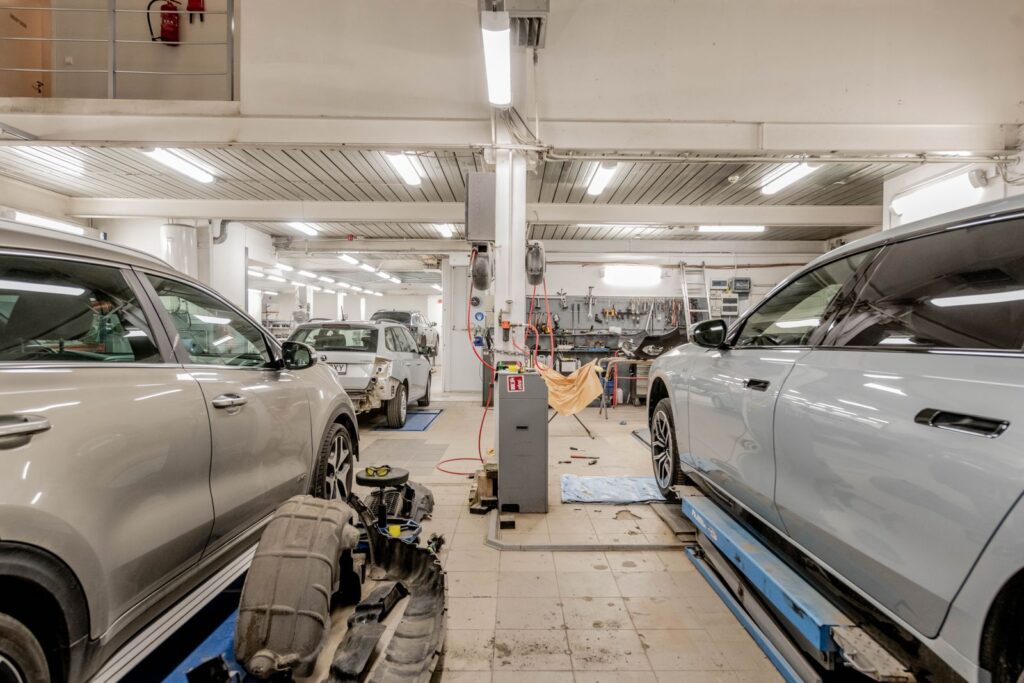
Car service and MOT: what’s the difference and why it matters
An MOT is a legal minimum. Once a car turns three years old, it must pass an annual test of safety and emissions items, and driving without a valid certificate can land you with a fine. The test is overseen by the Driver and Vehicle Standards Agency (DVSA), and it is pass or fail. There is no grey area. If you are unsure what the test involves, our guide to MOT checks covers costs and the full checklist.
A service is different in almost every way. There is no law requiring it, no fixed national schedule, and no regulator setting the intervals. Manufacturers publish recommended schedules, usually based on mileage or time, and a service is about replacing worn parts and fluids before they cause problems: engine oil, filters, brake fluid, coolant, spark plugs and so on.
The practical point is that a fresh MOT certificate tells you the car met the minimum standard on the day of the test. It says nothing about whether the oil is past its best or the brake fluid is years old. A service keeps the car reliable and protects its value, but it will not satisfy the legal requirement.

Should you book a car service and MOT at the same time?
For most drivers, yes. The main advantages are convenience and shared labour. A garage already has the car on the ramp for the MOT, so checking brakes, tyres, suspension and lights during a service adds little extra time. Many workshops charge a combined rate that works out cheaper than two separate bookings.
There is also a useful overlap in inspection. An MOT tester examining brake pads, discs, tyres and suspension is effectively doing part of the service inspection already, and advisories raised during the test can be handed straight to the technician doing the service work.
The risk to weigh up is a failed MOT. If the car fails on something that also needs attention as part of the service, you could end up authorising overlapping work and paying for the same area twice unless the garage is clear about what is test-related and what is service-related. Ask upfront how they handle that. A good garage will separate the two on the invoice.
Booking separately can suit you if the car is due a major service with a big bill, or if you would rather spread the cost across two months. Otherwise, one visit is usually the sensible choice.
How garages combine a service and MOT
The typical process starts with a single booking, where you tell the garage you want both. Most workshops run the MOT first, because the result shapes what happens next. If the car fails, you know immediately what needs fixing before it can go back on the road.
Advisories then feed into the service. An advisory is a note that something is worn or deteriorating but not yet bad enough to fail. A tyre close to the legal limit, pads getting thin, or slight play in a suspension component are classic examples. During the service, the technician can replace those items while the car is already stripped down, which often saves labour compared with a separate return visit.
Nothing should be done without your authorisation. A reputable garage will contact you for approval before carrying out chargeable repairs beyond the agreed service, and will provide a breakdown of parts and labour. Main dealers tend to follow manufacturer schedules strictly and charge higher hourly rates, while independent garages often offer more flexibility on intervals and parts, including the choice between original equipment and quality aftermarket components.

What a full car service and MOT covers
An interim service is usually a lighter check, often at around 6,000 miles or six months, covering oil and filter change, fluid top-ups and a basic inspection. A full service, typically every 12,000 miles or 12 months, goes further: air and pollen filters, spark plugs where applicable, brake fluid, coolant, a detailed brake and suspension inspection, battery condition, and diagnostic checks for stored fault codes.
The MOT covers a fixed list of testable items, generally including lights, indicators and horn, brakes, steering and suspension, tyres and wheels, seatbelts and restraints, exhaust and emissions, the fuel and brake systems, mirrors, wipers and washers, and the structure and corrosion of the vehicle itself. If you want to know how to check car MOT status, history and due dates online, the DVSA service lets you do that in minutes.
Some items appear in both, including brakes, tyres, lights and suspension. Others are service-only, such as oil and filters, or MOT-only, such as emissions testing and structural corrosion checks. That overlap is precisely why doing both together is efficient.
Car service and MOT costs in the UK
Prices vary by car, region and the parts used, but the headline figures are straightforward. The MOT fee for cars is capped at £54.85 (as of [current date]), and that maximum applies across England, Scotland and Wales. [Source: GOV.UK] Many garages charge less to win business, and some discount it further when combined with a service. Prices quoted by garages usually include VAT.
Servicing costs vary widely. An interim service at an independent garage typically runs from around £120 to £180, and a full service from roughly £180 to £300, depending on the car and the parts used. [Source: industry averages] Main dealers often charge £250 to £450 or more for a full service, reflecting higher labour rates and manufacturer-branded parts. [Source: industry averages] Fast-fit centres usually sit at the lower end, though check what is included.
Combining the two can reduce the total because the garage is not duplicating inspection time. When you ask for a quote, request it in writing and confirm whether the price includes VAT, whether parts are original equipment or aftermarket, and what happens to the price if the MOT throws up advisory work.
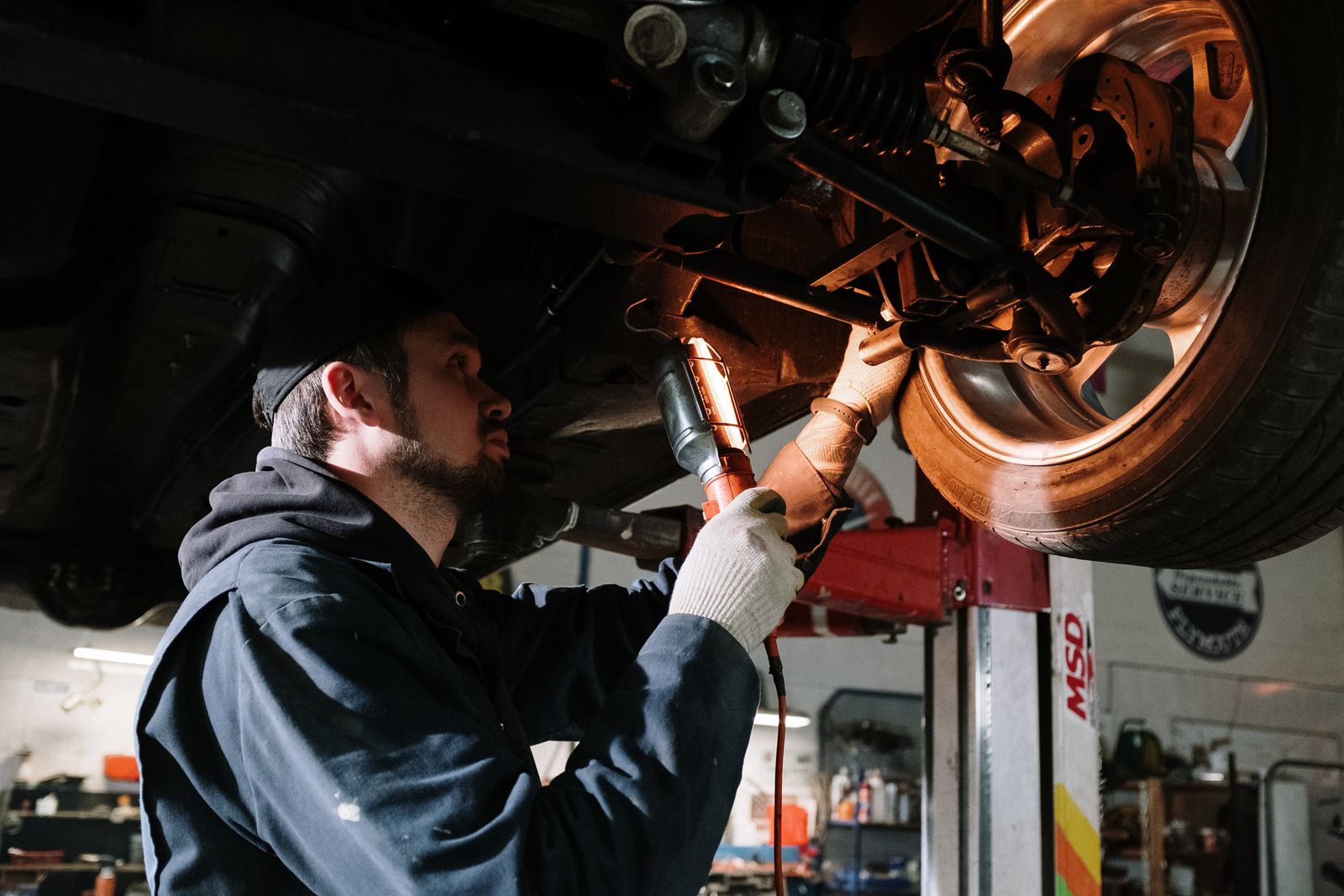
Timing your service and MOT around the calendar
Your MOT is due on the anniversary of the first test, and you can book it up to one month minus a day early without losing that renewal date. [Source: GOV.UK] Test it on the same date a month ahead and the new certificate simply runs from the existing expiry, giving you nearly 13 months of cover. Test it earlier than that and you reset the anniversary, which is rarely what you want.
Use that window to align your service. If your car covers average mileage, the annual service and annual MOT will naturally fall close together, so book them in the same week. If you do high mileage, your service intervals may come round twice a year, in which case keep the MOT on its anniversary and treat the service as the flexible one.
A simple rule: diary the MOT renewal date, work backwards one month, and book the combined appointment in that window. You get the full benefit of the early test rule and only one trip to the garage.
Choosing a garage for a car service and MOT
Start by confirming the workshop is an approved MOT station, which you can check on the DVSA register. Then look at reviews for patterns rather than one-off complaints, and ask what parts they fit and what warranty they provide on both parts and labour.
Price matters, but a suspiciously cheap combined deal can mean budget components or a rushed job. If you are weighing up independents against dealers and fast-fit chains, our guide to finding a trustworthy local garage explains how to compare local options. Directories that list services, addresses and opening hours make it easy to shortlist two or three garages and compare quotes like for like.
Red flags and your rights after a car service and MOT
Read the advisory list carefully. Advisories are not failures, but they are a forecast of what will need doing, and ignoring them usually costs more later. Keep the service checklist and the MOT certificate, and ask for both if they are not offered.
You have the right to a clear explanation of any recommended work and to decline it. If you believe a garage has recommended unnecessary repairs or carried out work without authorisation, raise it with the business first, then escalate to Trading Standards or the motor industry’s alternative dispute resolution schemes if needed.
Retest rules if your car fails
If your car fails, the retest rules matter. A partial retest is often free or heavily discounted if you return within a set period, usually 10 working days, and only the failed items are re-examined. [Source: GOV.UK] A full retest fee applies if you take the car elsewhere or leave it longer than the retest window. Check the exact terms with your garage before you book the original test.
Booked well, a combined car service and MOT is one appointment, one set of labour charges and one less thing to remember. Check the renewal date, use the early test window, and ask for a written quote that separates test fees from service work.