
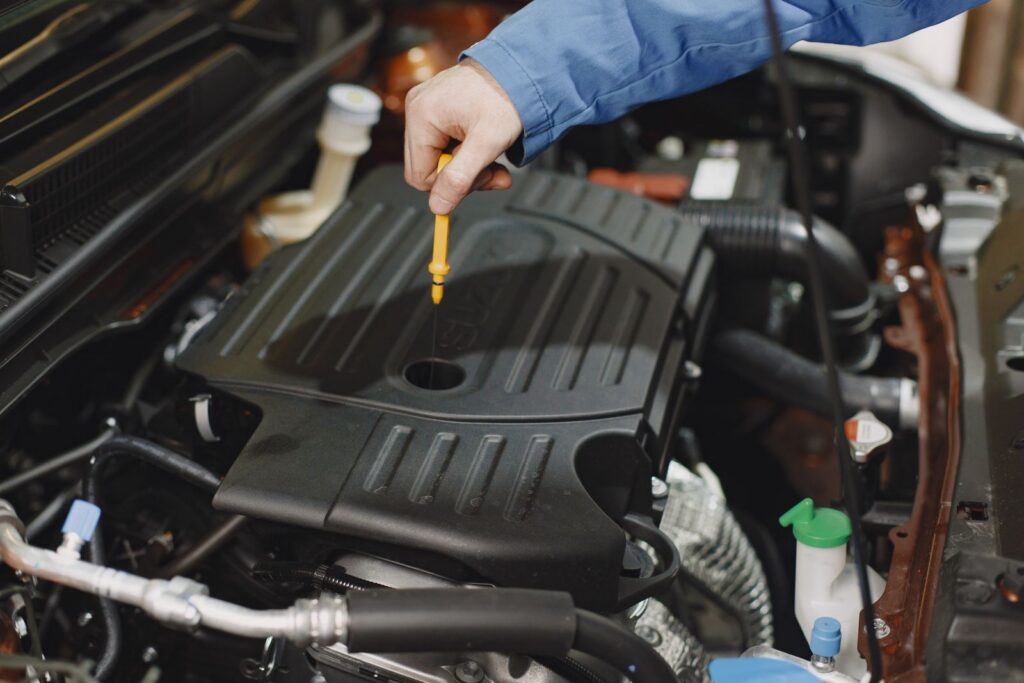
What is a car MOT check and who needs one?
The MOT (Ministry of Transport) test is required for cars once they reach three years old, then annually after that. It exists to confirm that your vehicle meets minimum safety and environmental standards at the moment of testing. It is carried out at DVSA-approved stations by nominated testers, and the result is logged electronically against your registration.
It is worth being clear about what the MOT is not. It is not a service. A service is preventative maintenance: oil and filter changes, fluid top-ups, brake inspections and diagnostic checks designed to keep the car in good condition. An MOT is a snapshot of roadworthiness on the day. A car can pass its MOT with worn oil and a clogged filter because those items fall outside the test’s scope.
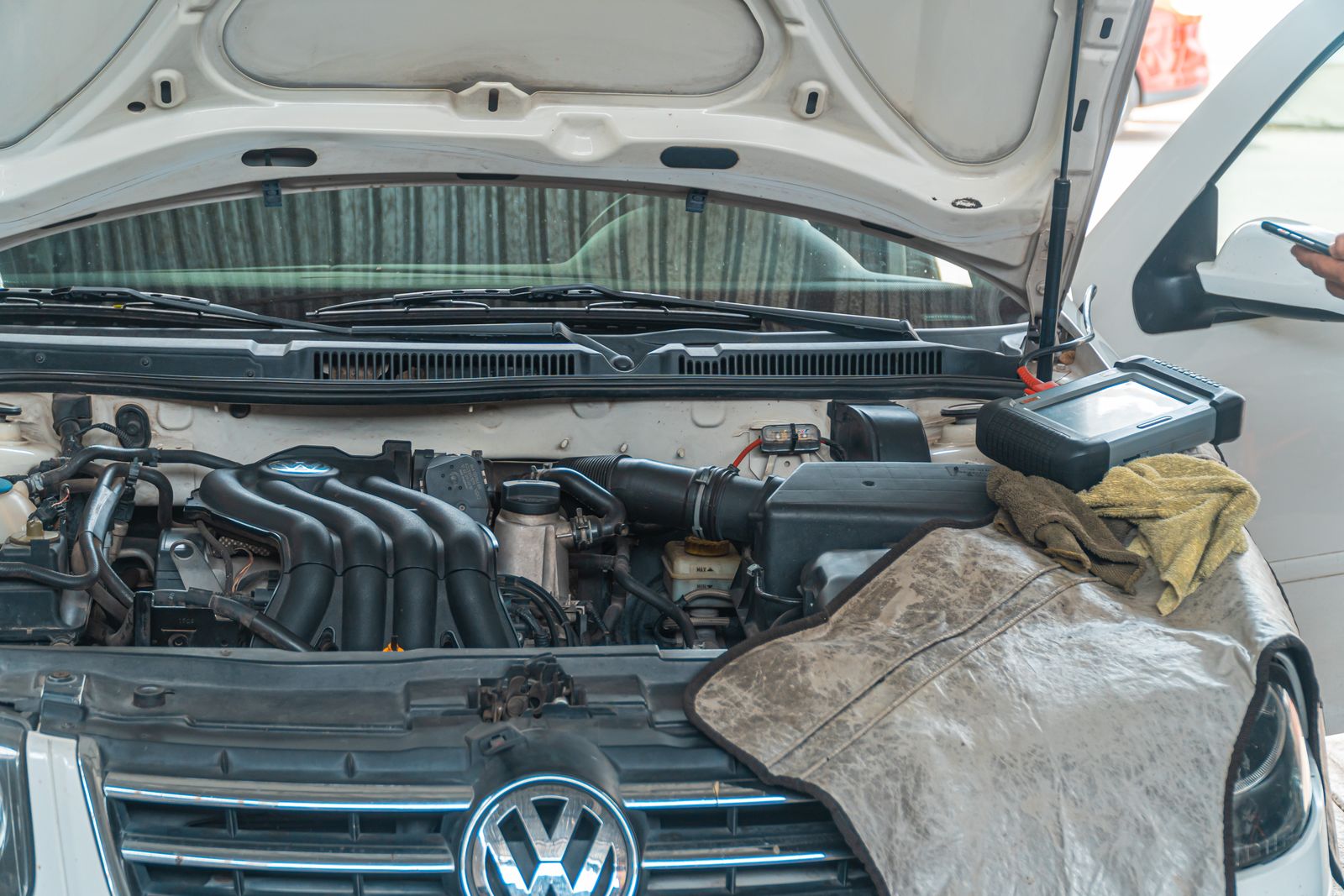
What the MOT actually checks
The test covers a defined list of items. In plain English, here is what testers work through:
- Lights: headlights, indicators, brake lights, fog lights and rear reflectors, checked for operation, colour and aim.
- Steering and suspension: for excessive play, wear, corrosion and security of components.
- Brakes: performance, balance, condition of discs, pads, pipes and the handbrake.
- Tyres and wheels: tread depth (minimum 1.6mm across the central three-quarters of the tyre), condition, correct sizing and secure fitment.
- Seat belts: condition, mounting and operation of each belt and buckle.
- Body and structure: corrosion, sharp edges and structural integrity at prescribed points.
- Exhaust emissions: measured against the limits for your vehicle’s age and fuel type.
- Fuel and brake lines: for leaks, corrosion and secure mounting.
- Mirrors, windscreen and driver’s view: cracks, chips in the driver’s line of sight, wiper operation and washer function.
Two additions catch out drivers of newer cars. Since 2018, vehicles first used from 1 September 2009 with four or more wheels have also had reversing lights and daytime running lights checked where fitted. A failed daytime running light will normally be recorded as a defect and can lead to a fail.
MOT test results explained
Since May 2018, defects fall into three categories, and understanding them saves confusion:
- Dangerous: a direct and immediate risk to road safety or the environment. You cannot legally drive the car away, even if the certificate has not yet expired. The vehicle must be repaired before it moves under its own power on the public road.
- Major: a significant issue that affects safety, the environment or the vehicle’s general condition. The car fails and must be repaired and retested.
- Minor: a defect that has no significant effect on safety but should be monitored or fixed. The car still passes.
Advisories are notes from the tester about items nearing the limit or worth watching, such as brake pads getting low. They do not affect the result but are useful history.
If your car fails on a major defect, you can usually drive it away only if the existing MOT is still valid and the defect is not dangerous. Repairs should be made promptly, and a partial retest is often free if you return to the same station by the end of the next working day, or at a reduced fee if you return within 10 working days for certain items. Confirm the retest terms with your garage before you leave.
MOT costs and how to book a car MOT check
The DVSA sets a maximum fee for a car MOT in England, Scotland and Wales of £54.85. That is a ceiling, not a fixed price. Garages are free to charge less, and many do, often using the MOT as a way to win servicing and repair work. Northern Ireland runs a separate system through DVA test centres, with its own booking process and fee structure, so do not assume the rules in England, Scotland and Wales apply there.
You can book online through the GOV.UK service, by phone, or directly with a local garage. Booking through the garage that services your car has practical advantages: they know the vehicle, they can quote for any remedial work immediately, and you avoid a second trip.
Car service and MOT: should you do both at once?
This is the question worth getting right. A car service and MOT cover different ground. The service addresses oil, filters, fluids, spark plugs, cambelt intervals, brake wear and electronic diagnostics. The MOT checks that the car is safe and legal on the day. Neither replaces the other.
Combining them makes sense for three reasons. First, a service often catches the faults that would become MOT failures, such as worn brake pads or a failing bulb, so you fix them on your terms rather than under test pressure. Second, many garages discount the MOT when you book a service at the same time. Third, it is one visit instead of two, and one set of records for the car.
If your car is electric, the servicing picture shifts, since there is no oil or exhaust to worry about, but the MOT still applies in full, including brakes, tyres, suspension and lights. For a closer look at how EV ownership changes maintenance, the Electric Vehicles section covers batteries, charging and hybrid systems in detail.
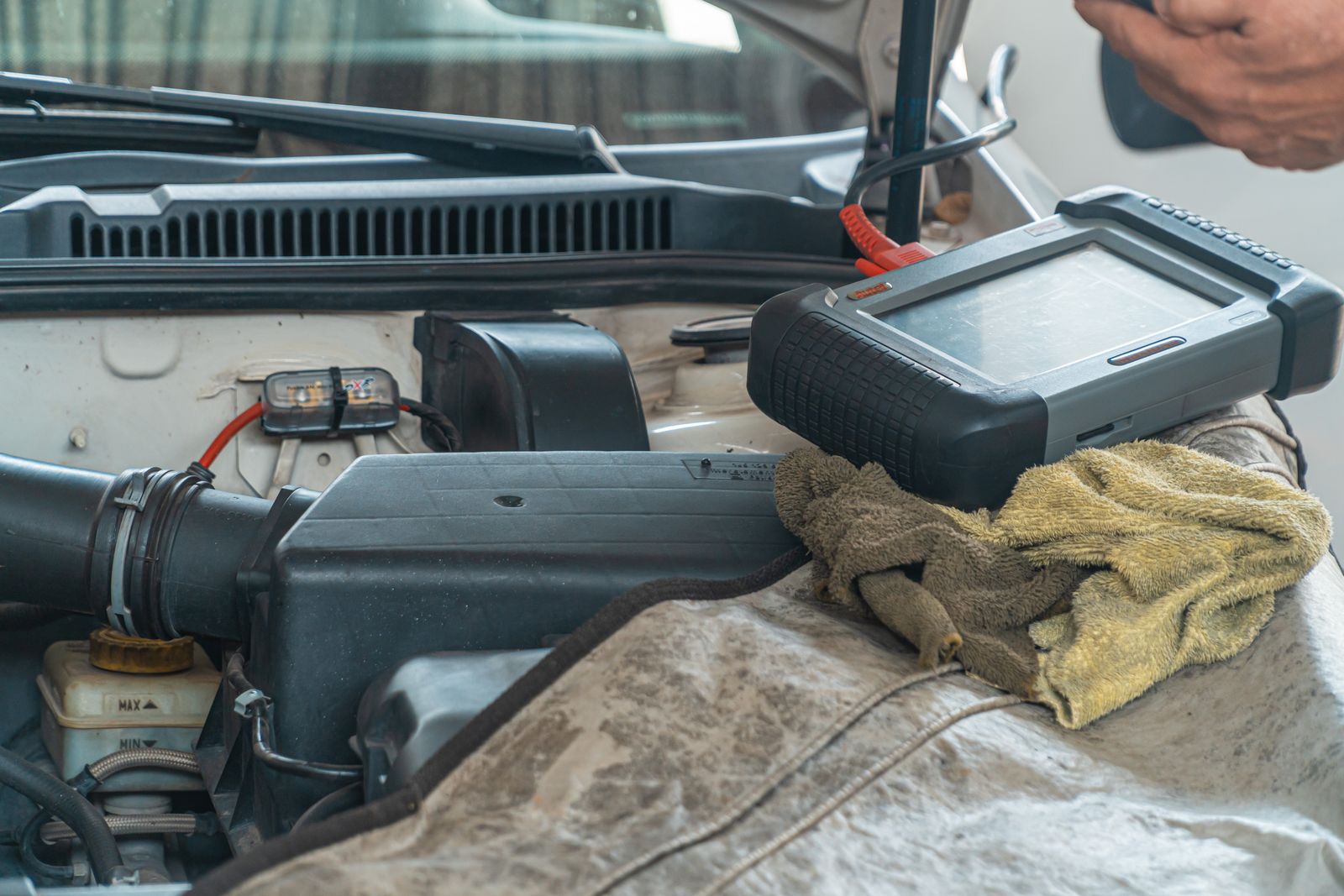
How to prepare for your MOT and avoid a fail
A surprising share of MOT failures are avoidable with ten minutes of checks:
- Walk around the car and test every bulb, including the number plate lights and high-level brake light.
- Check tyre pressures and tread across all four tyres plus the spare if carried.
- Top up washer fluid and check the wipers clear the screen without smearing.
- Make sure number plates are clean, legible and correctly spaced.
- Test the horn.
- Check that no warning lights stay illuminated on the dashboard after start-up.
Before booking, look up your car’s MOT history on GOV.UK. It shows every previous test, the mileage at each one, and any advisories. If the same advisory has appeared three years running, deal with it now rather than letting it become a major defect.
After the test: certificates, reminders and staying legal
Pass and you receive a VT20 certificate. Fail and you get a VT30, listing the defects. Both are recorded electronically, so you no longer need the paper copy to tax the car, though keeping it is sensible.
One useful legal quirk: you may drive to a pre-booked MOT test without valid tax, provided the vehicle is insured and the test is booked. You cannot drive it for any other purpose.
The simplest way to stay legal is the DVSA’s free MOT reminder service. Sign up with your registration and it texts or emails you a month before the due date. Miss it and you risk a fine, difficulties with an insurance claim, and the awkward position of driving an untested car.
Finding a trustworthy MOT station near you
DVSA approval is the baseline: every testing station must display it, and testers must be nominated and assessed. Beyond that, look for transparent pricing, a clear retest policy, and reviews that mention how failures and advisories were explained. A good garage tells you what needs doing now, what can wait, and what it will cost before it starts.
The UK’s independent garage sector is large and, to the untrained eye, largely anonymous, with workshops operating from industrial estates, railway arches and converted forecourts. Most people only think about them when something goes wrong. A guide like UK Garage Directory: How to Find a Trustworthy Local Garage in 2025 is useful for understanding what separates a well-run workshop from a chancer.
A verified directory makes the comparison quicker: filter by location, check DVSA approval, read customer feedback and book with confidence. Treat the MOT as what it is, a legal safety net, and back it up with proper servicing. That combination, not the certificate alone, is what keeps a car genuinely roadworthy all year round.